
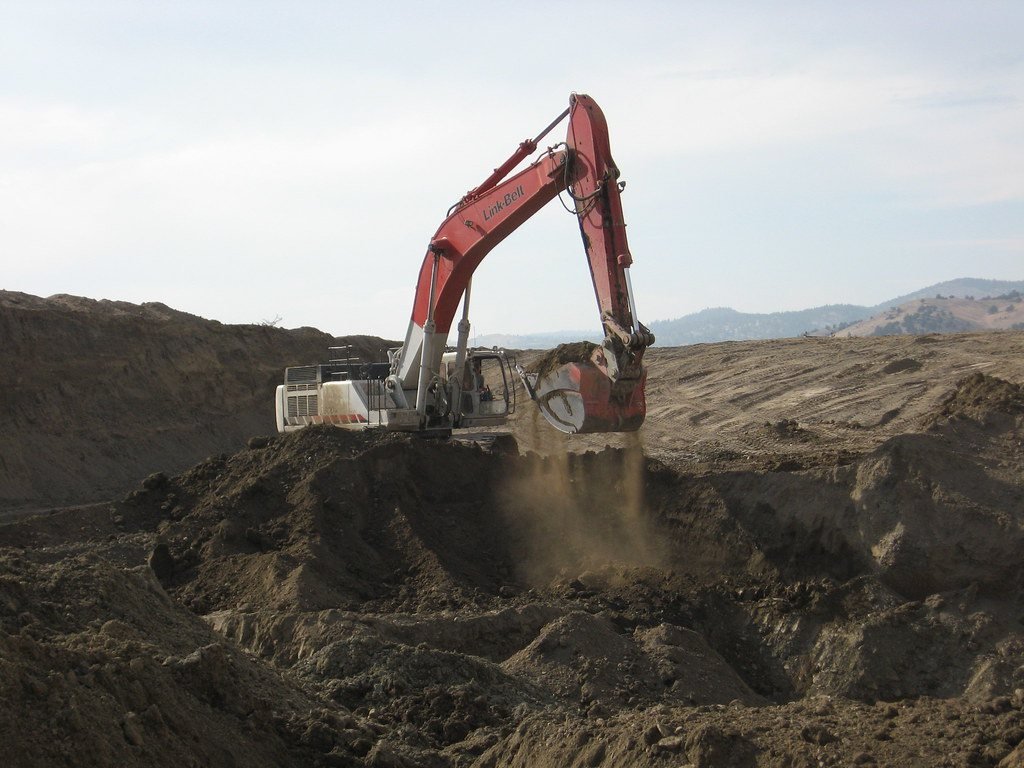
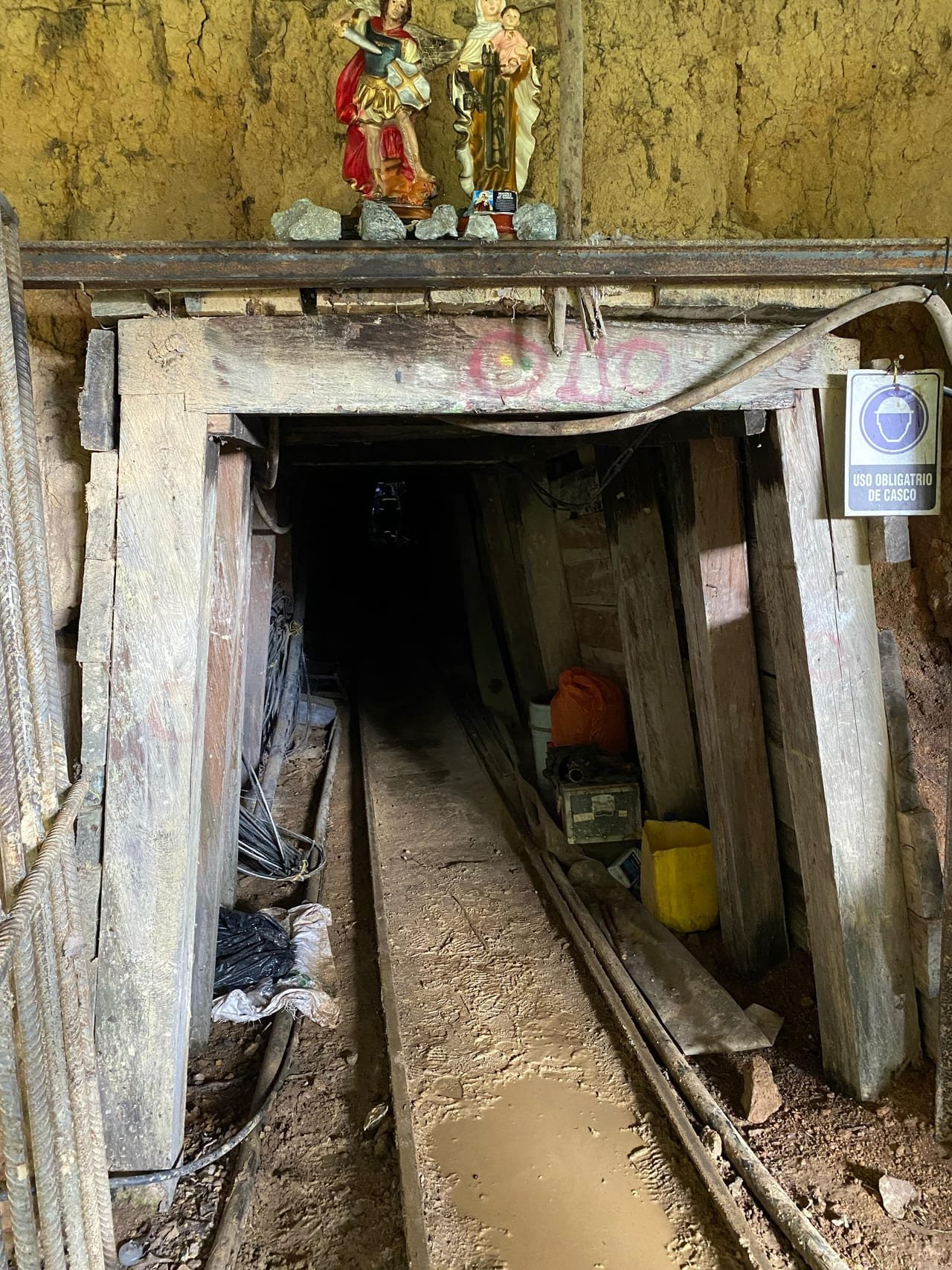

A mine draws water from, and returns water to, the streams and rivers around it. Quality monitoring measures the condition of that water before the project starts and how it changes while it operates, and its results support the environmental study, licence follow-up and water permits.
Why the authority requires it
The baseline of the Environmental Impact Assessment describes the water in the area before intervention, and everything measured afterwards is compared against it. Once granted, the licence carries a follow-up and monitoring program that the Environmental Authority can corroborate with its own tests. If the operation discharges wastewater into a body of water, it also needs a discharge permit, requested with the characterization of the discharge. The regulation sets specific parameters and limits for each group of minerals, and the Environmental Authority may require stricter values.
What is measured in the field and what goes to the laboratory
Some variables change if the sample travels and are measured on the spot, while others require a laboratory:
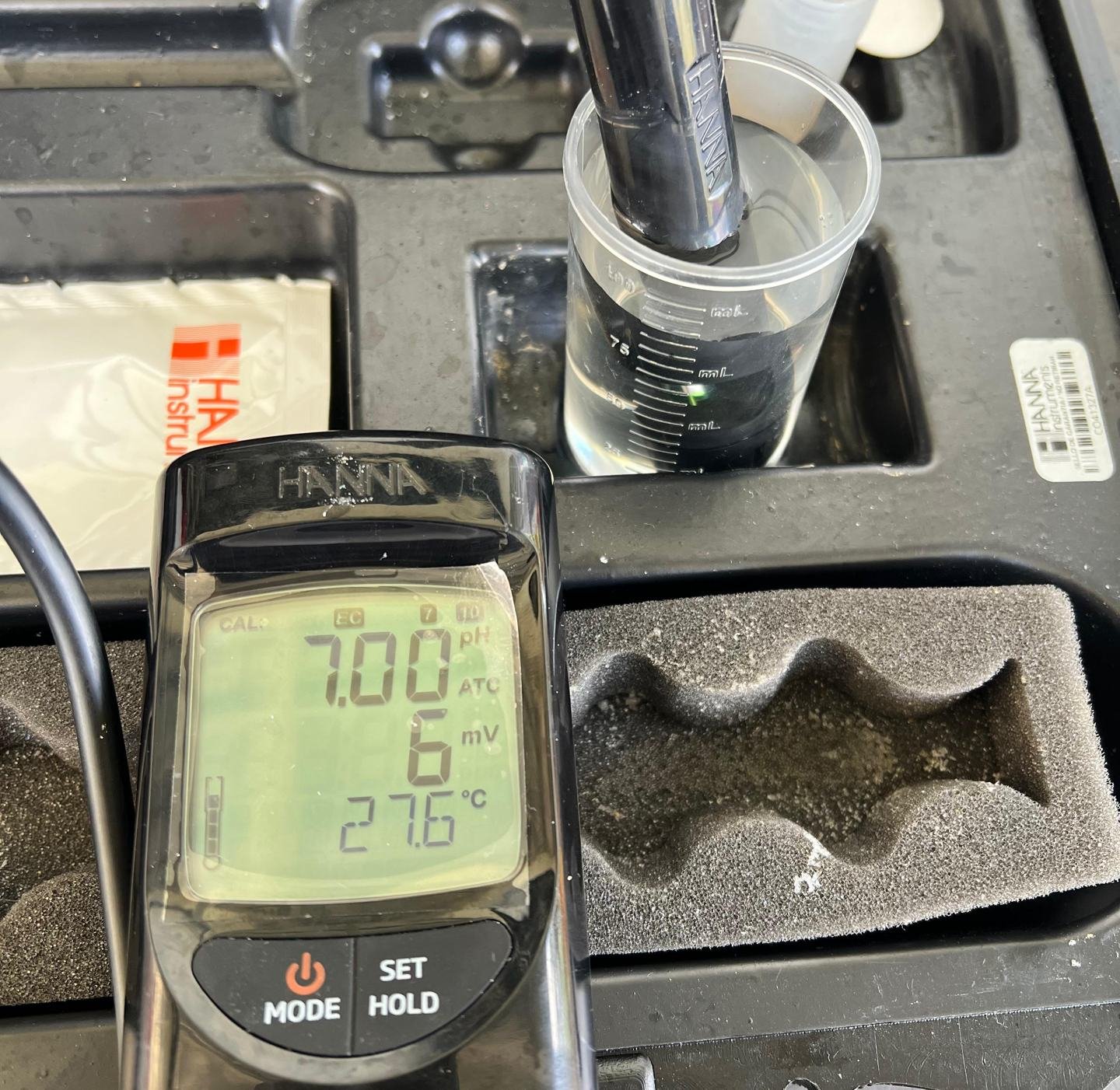
- On site: pH, conductivity, temperature and dissolved oxygen are measured, and the flow is gauged.
- At an IDEAM-accredited laboratory: suspended and settleable solids, chemical and biochemical oxygen demand, fats and oils, hydrocarbons, cyanide, chlorides, sulphates and the metals required by the discharge standard for each mineral group, including mercury, lead, arsenic, cadmium, copper, chromium, iron, nickel and zinc. The final list depends on the mineral, the processing method and what the licence and the discharge permit establish.
- For each sample: code, coordinates, time and preservation are recorded, and the sample travels with a chain of custody to the laboratory.
Network of points and frequency
Points are located upstream and downstream of the project, at each discharge and in the receiving bodies, to distinguish what the water already carries from the source from what the operation adds. The frequency is set by the licence and the discharge permit.
From the monitoring plan to the compliance report
We design the plan with the network of points and the frequency required by your environmental instruments. In each campaign we take the samples, measure in the field with a pH meter and a conductivity meter, and coordinate the analysis with an accredited laboratory. The reports compare each result against the limits of the discharge standard and support your environmental compliance reports. Whether a discharge meets the standard is determined by the Environmental Authority.
Legal framework
- Decree 1076 of 2015, arts. 2.2.3.3.5.1 and 2.2.3.3.5.2Discharge permit and characterization of the discharge in the application
- Decree 1076 of 2015, art. 2.2.3.3.5.2, par. 2, and art. 2.2.8.9.1.5Sample analysis at IDEAM-accredited laboratories
- Resolution 0631 of 2015 of the Ministry of Environment, art. 10Discharge parameters and limits for mining activities
- Decree 1076 of 2015, art. 2.2.3.3.4.8The Environmental Authority may set stricter limits
- Decree 1076 of 2015, arts. 2.2.2.3.5.1 and 2.2.2.3.9.1EIA follow-up and monitoring program and licence control
- Decree 1076 of 2015, art. 2.2.3.2.7.1Water concession for mining operations
Regulations reviewed in October 2026. This is general guidance; the decision on each procedure rests with the competent authority.


