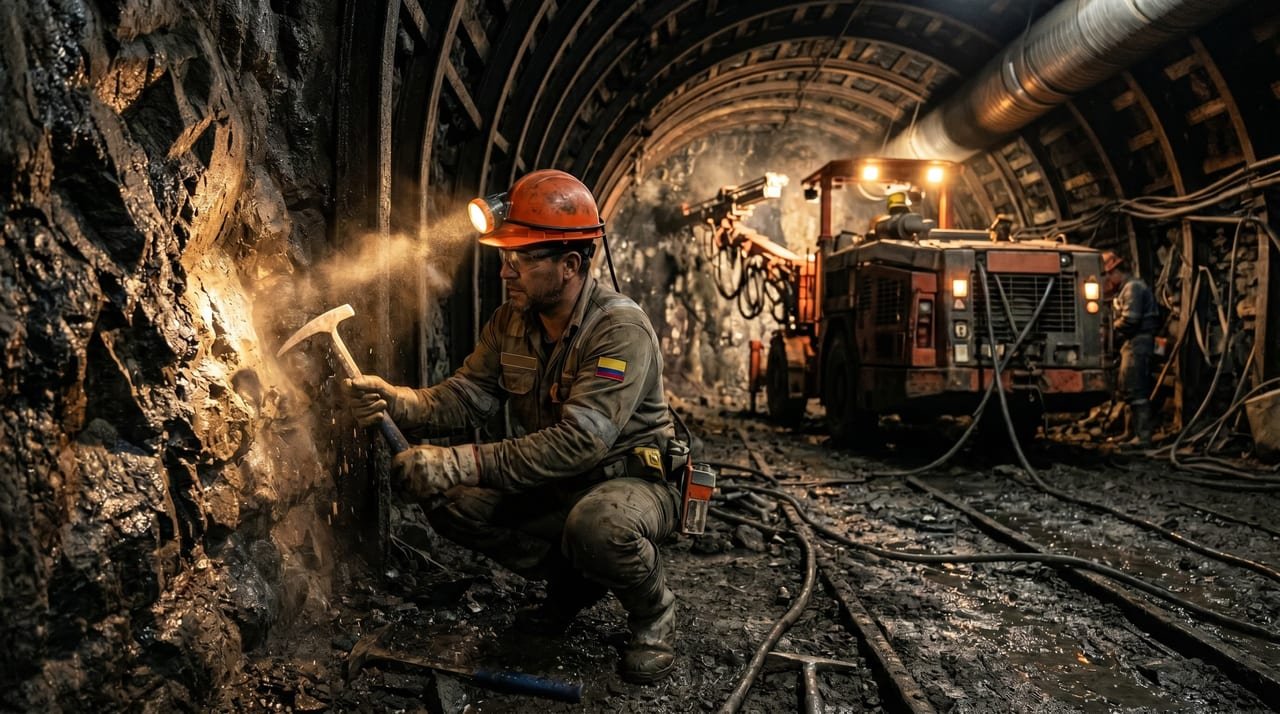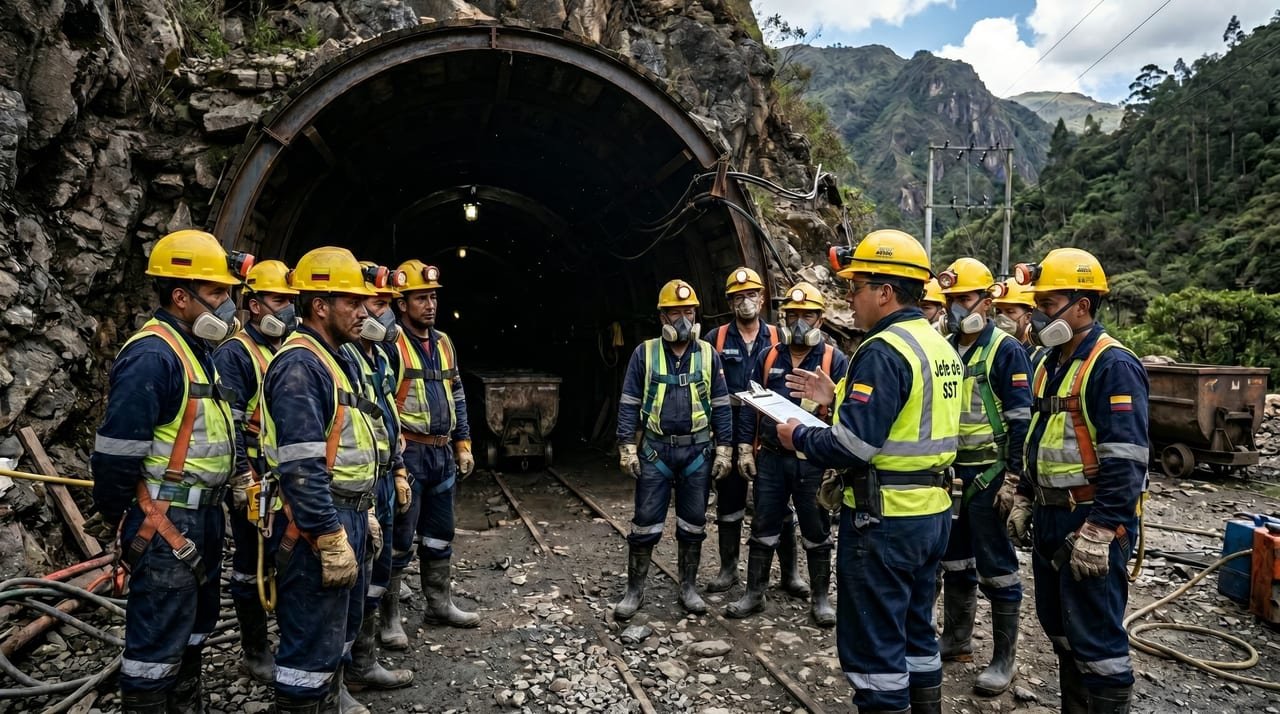

SAGRILAFT is the system through which a company manages the risk of being used to launder assets or finance terrorism, and it is required by the Superintendency of Companies. In mining it carries more weight, because mineral trading is an activity exposed to those risks.
What changed in 2026
In July 2026 the Superintendency of Companies issued a new circular that repealed the 2020 one and merged SAGRILAFT and the transparency and business ethics program into a single chapter. With that change the system also covers corruption and bribery, and the thresholds are no longer measured in minimum wages but in basic value units, the UVB.
Who is required to comply
The obligation depends on the activity registered in the commercial registry and on the previous year's revenue or assets. Depending on those data, a general regime, a regime for precious metals and stones, or a new minimum-measures regime for the mining and energy sector applies. The latter covers coal and metal ore extraction and wholesale trade in metals, but not quarries or construction materials. Conversion of the thresholds into pesos is done case by case.
What each regime requires
Requirements vary considerably from one regime to another, and so does the deadline to meet them:
- Full system: identifies, measures, controls and monitors the risk, and requires a principal and an alternate compliance officer.
- Minimum measures: carried out by the legal representative, including annual training, counterparty and sanctions-list screening, and reports to the Financial Information and Analysis Unit (UIAF).
- Adjustment deadline: companies already subject to the system have until 31 May 2027 to adapt it.
From diagnosis to an adjusted system
With your registered activity and financial figures we check whether your company is required to comply and which regime it falls under. If you already have a system built under the previous circular we adjust it, and if you do not, we design it with your policies, risk matrix and procedures, linked to mineral traceability. Even if your company is not required to comply, banks and traders may ask you for this documentation.
Legal framework
- External Circular 100-000020 of 2026 of the Superintendency of CompaniesNew Chapter IX: merges SAGRILAFT and PTEE and repeals the 2020 circular
- External Circular 100-000020 of 2026, nos. 9.4 and 9.5.2General regime from 4,929,017 UVB and precious metals regime from 3,696,762 UVB
- External Circular 100-000020 of 2026, no. 9.6.10Minimum measures for CIIU B05, B07 and 4662: from 369,676 UVB in revenue or 616,127 UVB in assets
- External Circular 100-000020 of 2026, nos. 9.9, 9.14 and 9.21Compliance officer, stages and responsible person under minimum measures
- External Circular 100-000020 of 2026, nos. 9.28 and 9.29Adjustment deadline of 31 May 2027
Regulations reviewed in October 2026. This is general guidance; the decision on each procedure rests with the competent authority.